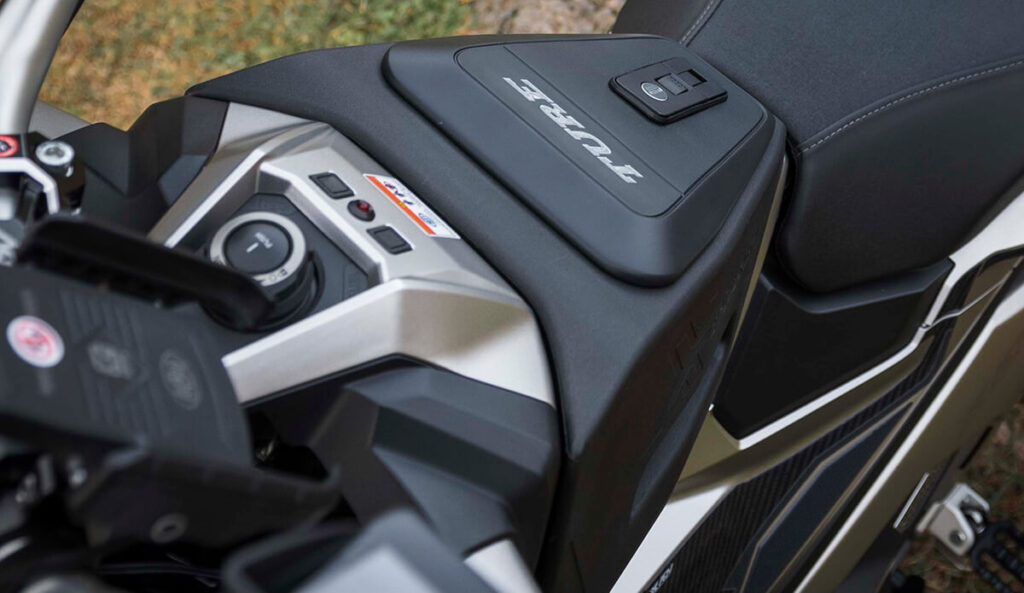
We began the project with a thorough understanding of the requirements and the intended use. The key priorities were increased storage capacity, improved weather protection, simple and reliable mounting, and design harmony with the vehicle’s lines. To ensure precise fitment, we performed 3D scanning of the mounting area, which served as the foundation for the initial design concepts.
Based on this, we created initial sketches and 3D models that allowed for quick verification of proportions and seamless integration with the vehicle. In the next phase, we developed technical solutions for the key functional assemblies, such as the mounting system, lid sealing, and the opening and locking mechanisms. Special attention was given to reliability and ease of use in everyday conditions.
The prototype was tested in real-world conditions and improved through several development iterations. This approach allowed us to gradually optimize the construction, refine details, and eliminate potential shortcomings before moving into the production preparation phase.
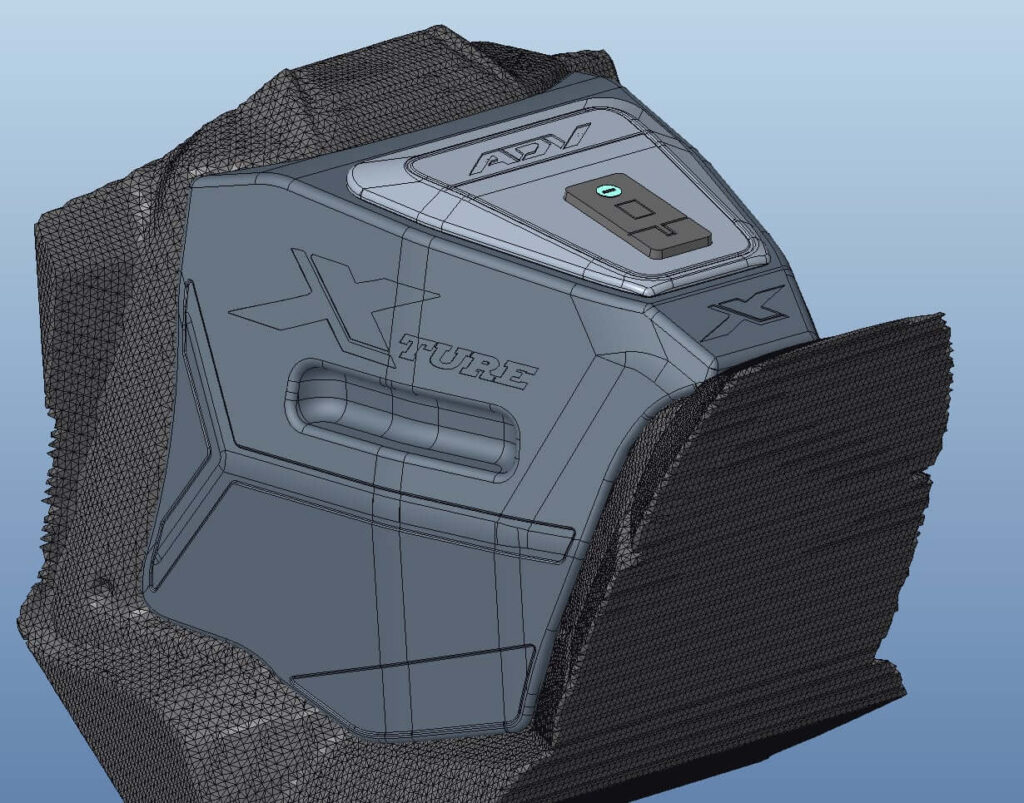

After confirming the final design, we prepared comprehensive technical documentation and proceeded with the production of manufacturing tools. The main structure of the top case was produced using tooling for serial production, ensuring repeatability and consistent product quality. The lids and some additional components were manufactured using vacuum casting, which provides a high level of precision and excellent surface quality.
In the early stages of development, we used FDM 3D printing, which proved to be an effective method for quickly producing test parts. This approach enabled fast validation of design solutions and adjustments with minimal costs, significantly contributing to development optimization.
The result of the project is a product that combines functionality, durability, and thoughtful design. The top case represents a noticeable upgrade in user experience while visually integrating naturally into the overall appearance of the vehicle. The project demonstrated how a structured development process, supported by appropriate technologies, can lead to the efficient realization of even highly specific requirements.
An important aspect of the collaboration was also transparency throughout the entire process, which allows for a clear understanding of each development phase and better planning of future steps.
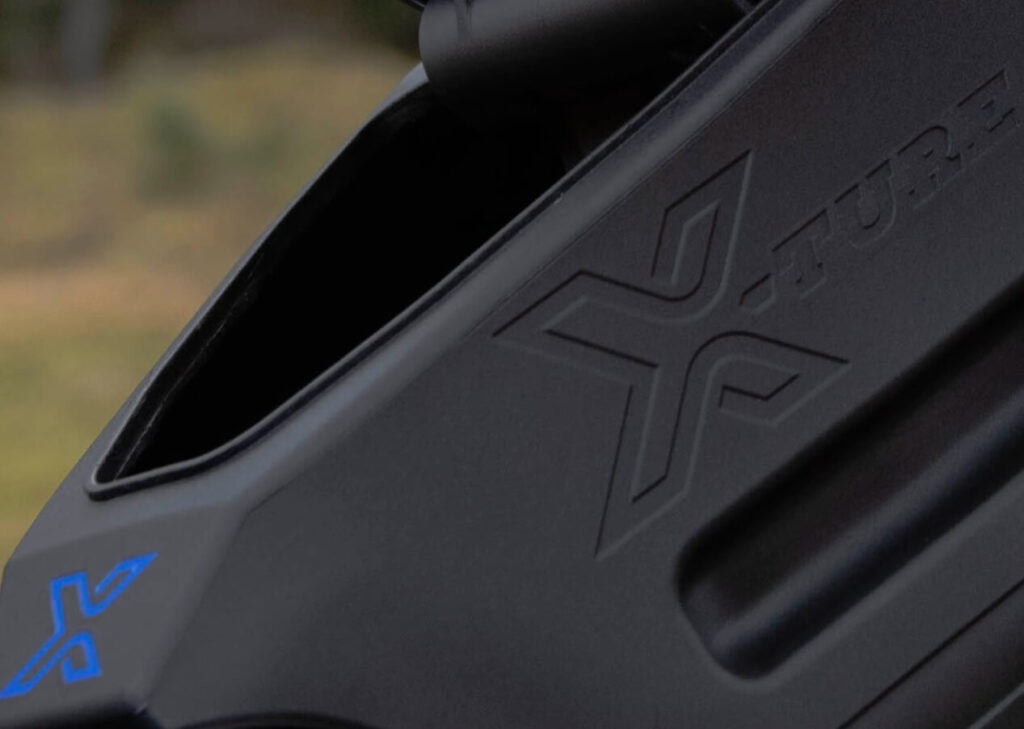

This project represents an example of a comprehensive product development approach, where technical expertise, flexibility, and a carefully considered selection of manufacturing technologies come together. At Chemets, we believe that this kind of approach enables the development of reliable, functional, and aesthetically refined solutions tailored to the specific needs of the user.