Series are shrinking. Casting geometries are getting more complex. Pressure on costs and lead times is not easing. Foundries are asking: would additive manufacturing actually make a difference — and when does the investment pay off?
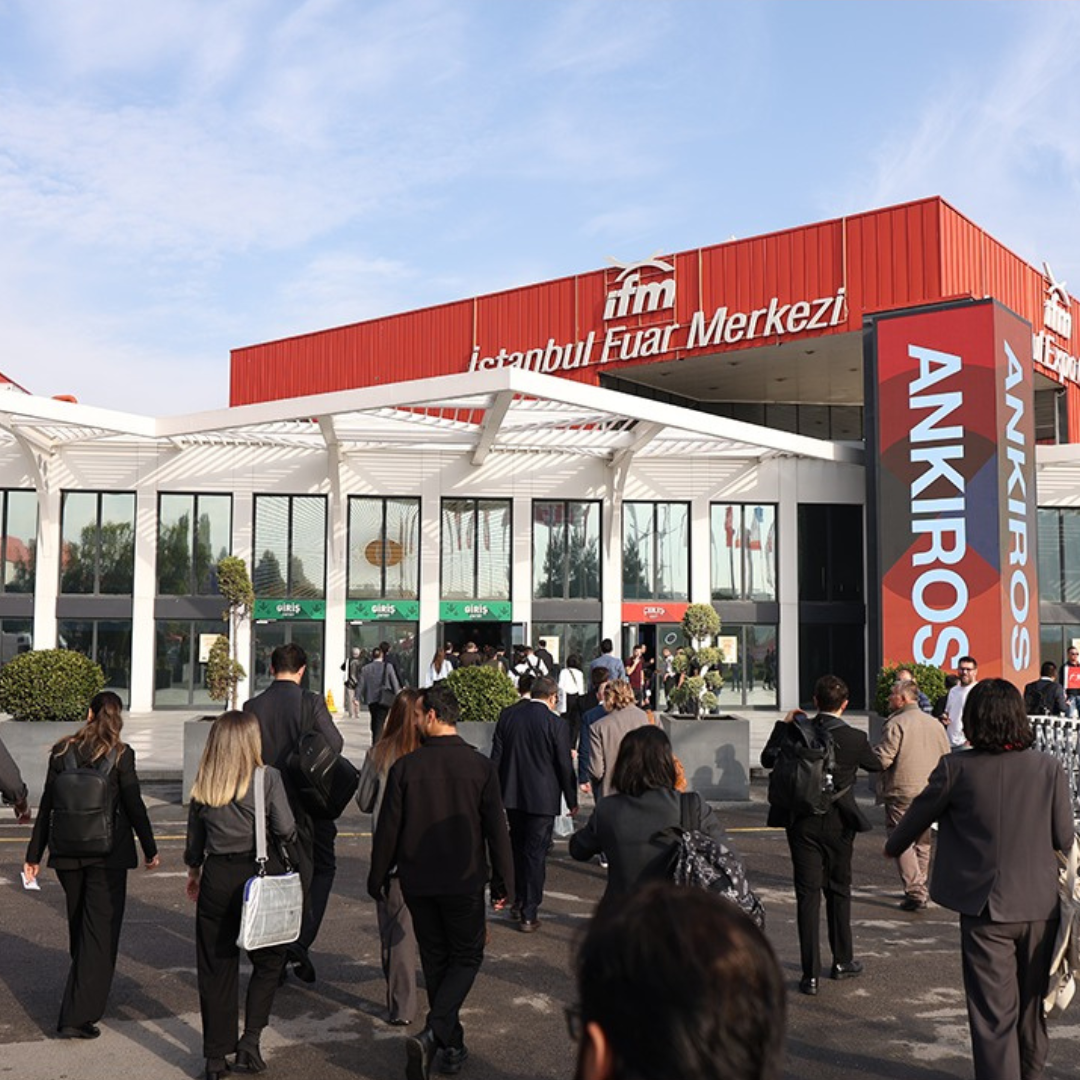
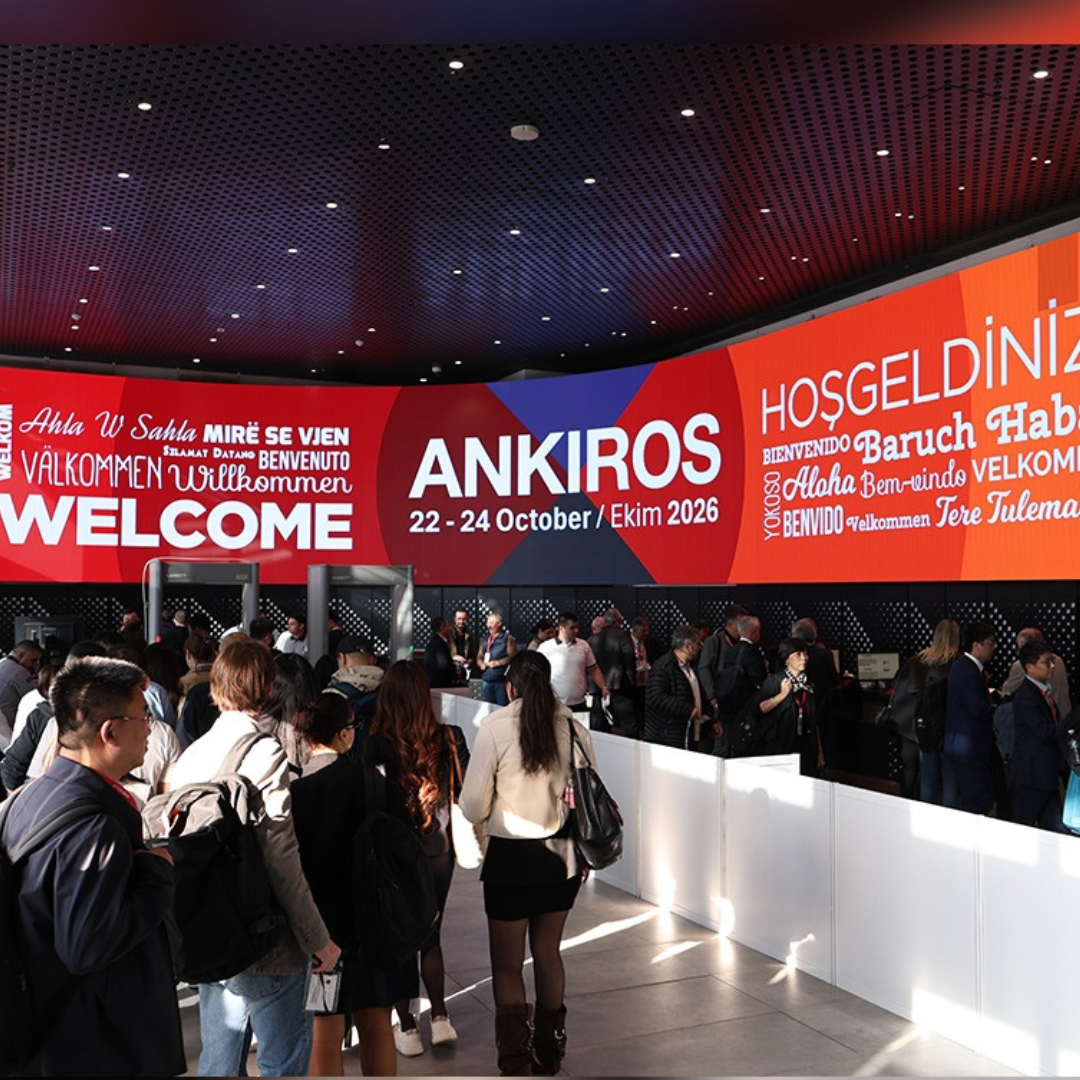
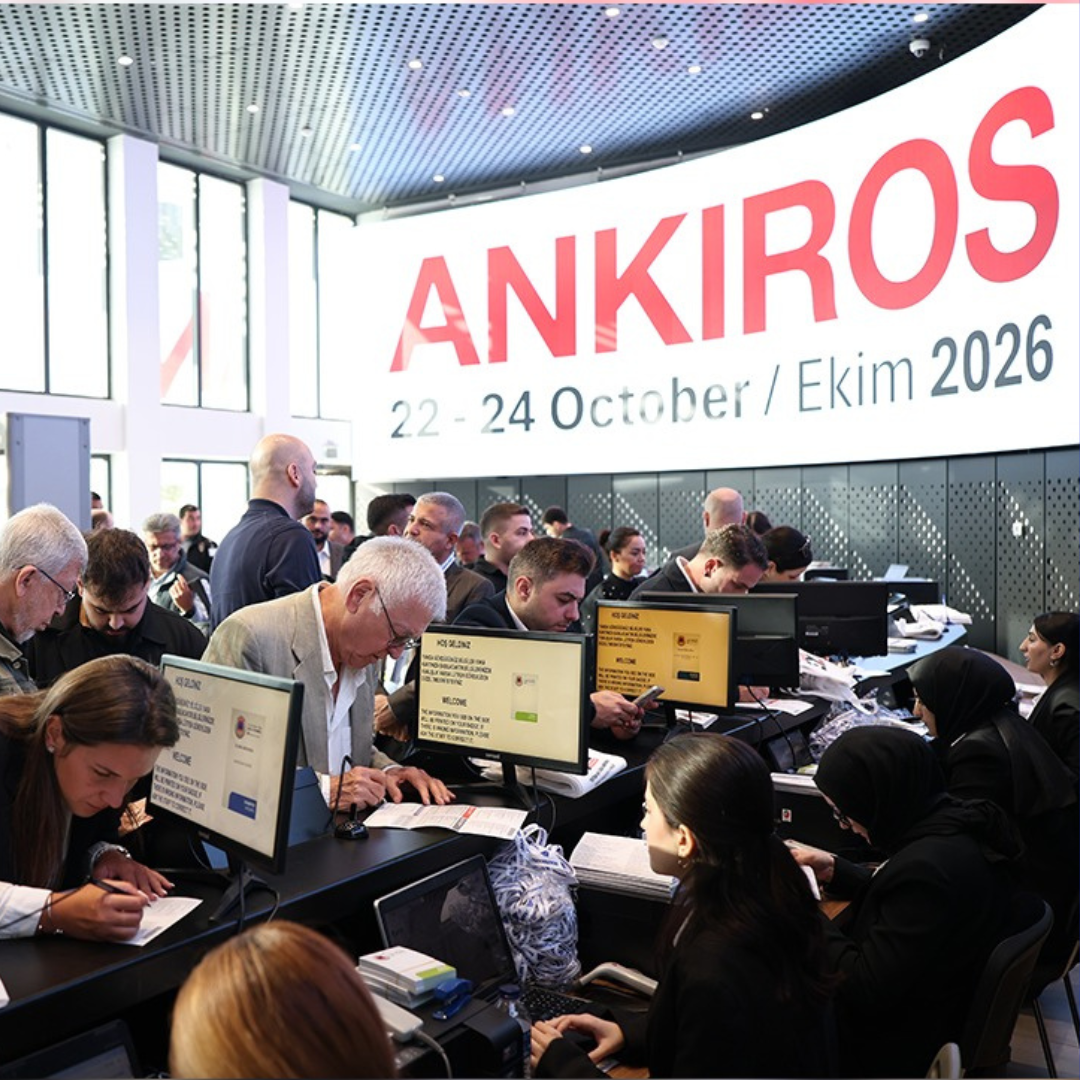
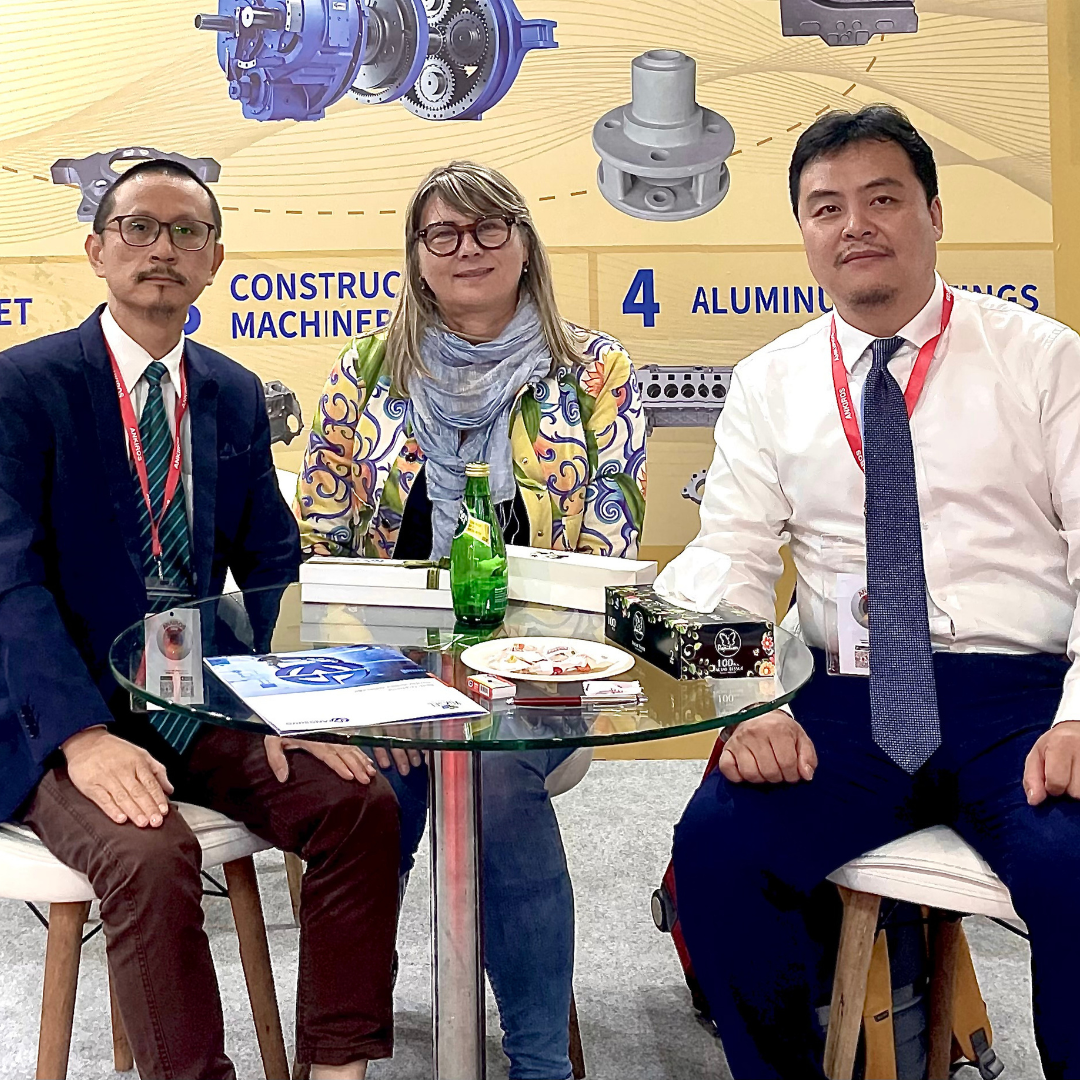
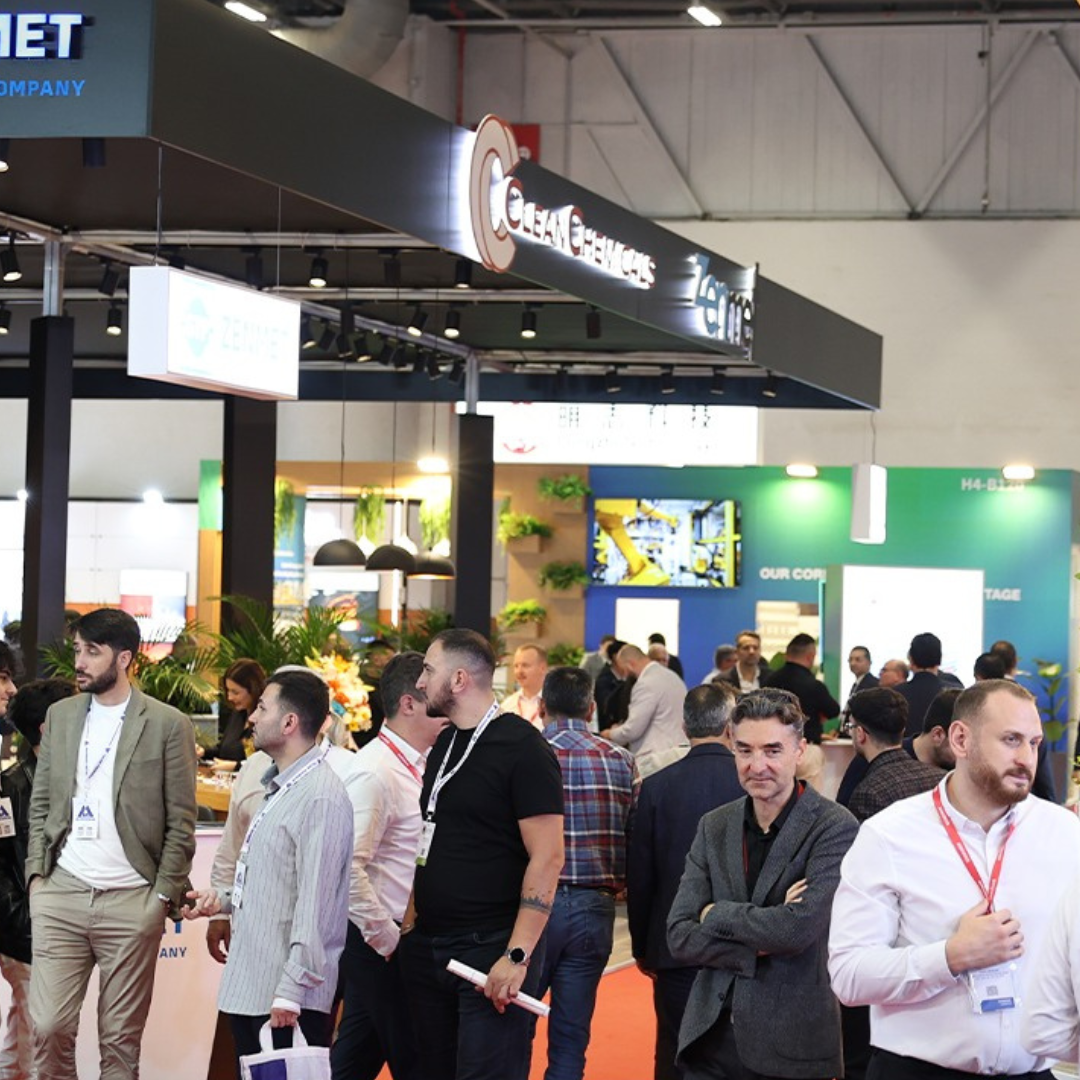
Barbara Wilkesmann Hočevar, Director of Chemets, visited ANKIROS in Istanbul in October 2026 with one purpose: to understand which additive technologies for foundry work are ready for real-world adoption and what companies need to check before committing.
The conversation has shifted. The question is no longer whether — it is how and when.
A fair of this scale shows which questions the industry is taking seriously. At ANKIROS 2026, additive manufacturing was not a side topic — it was part of the main conversation. That is not incidental. It reflects where foundries are now: looking for solutions to problems that conventional processes handle poorly.
Buyers at the fair were no longer asking “is it possible.” They were asking “under what conditions does it pay off” and “who helps when something goes wrong.”
“At a fair like this, you see which questions the industry is taking seriously. Additive manufacturing was part of a serious conversation.”
Binder Jetting Technology — Two Metal Casting Technologies
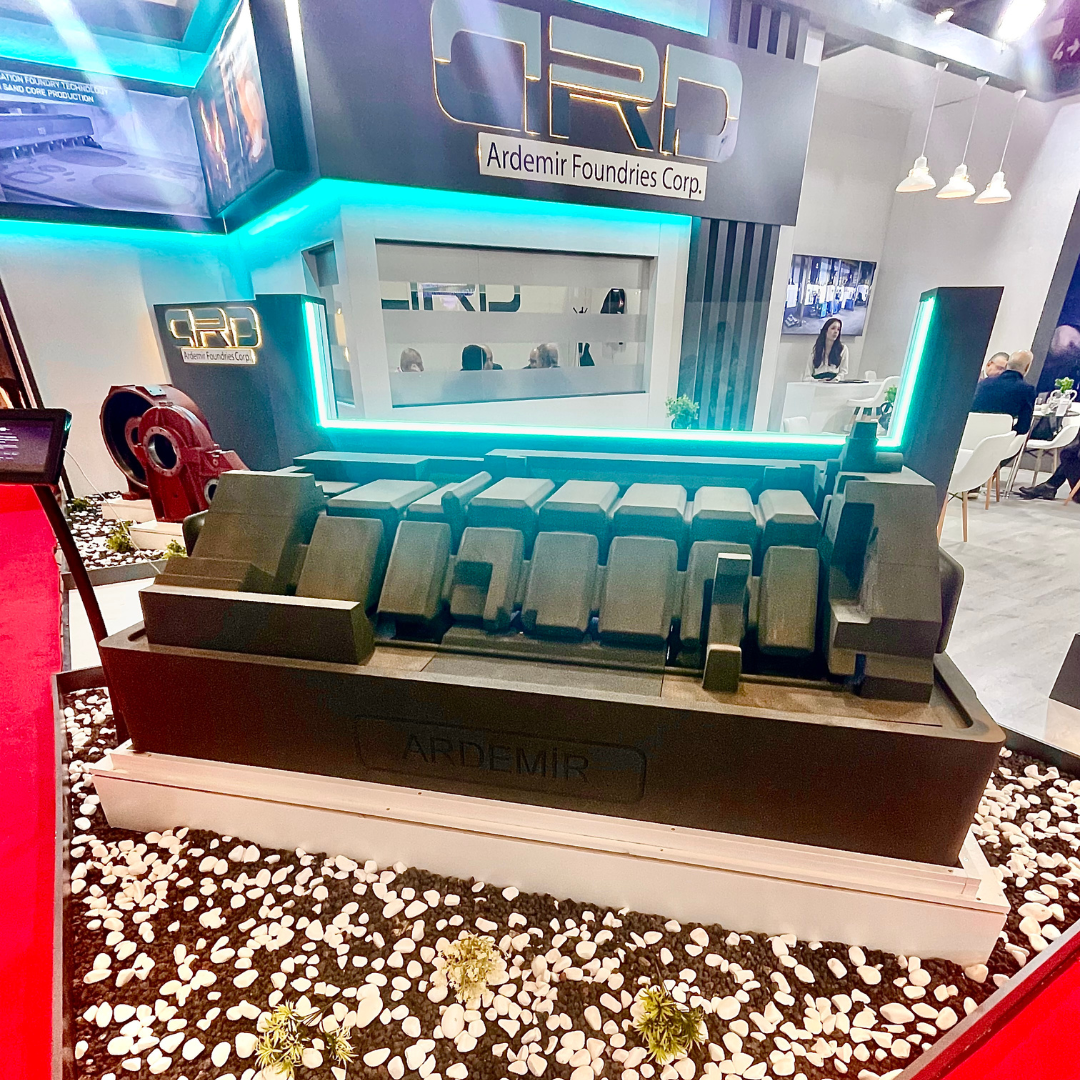
3D printing of sand moulds and cores uses binder jetting technology: a binder bonds layers of sand selectively, producing moulds and cores without conventional tooling. Particularly relevant for prototypes, smaller series, and complex internal channels where tooling would be costly or time-consuming to justify.
3D printing of models for investment casting enables rapid production of models that replace conventional wax in the ceramic shell process.
This approach allows complex parts to be made without dedicated tooling for wax models. It is especially useful for individual parts, prototypes, and smaller series where the tooling investment would not be economically justified or where tooling lead times would be too long.
Both paths have their own logic and constraints. The right choice must be assessed against specific geometry, projected volumes, quality requirements, and the full process cost — not against which technology looks best on paper.
“Buying the machine is only the start. Materials, process parameters, and support together determine whether the investment pays off.”
Not sure which path fits your casting type? Send a brief description of your challenge — we will assess at no cost whether additive manufacturing applies at all.
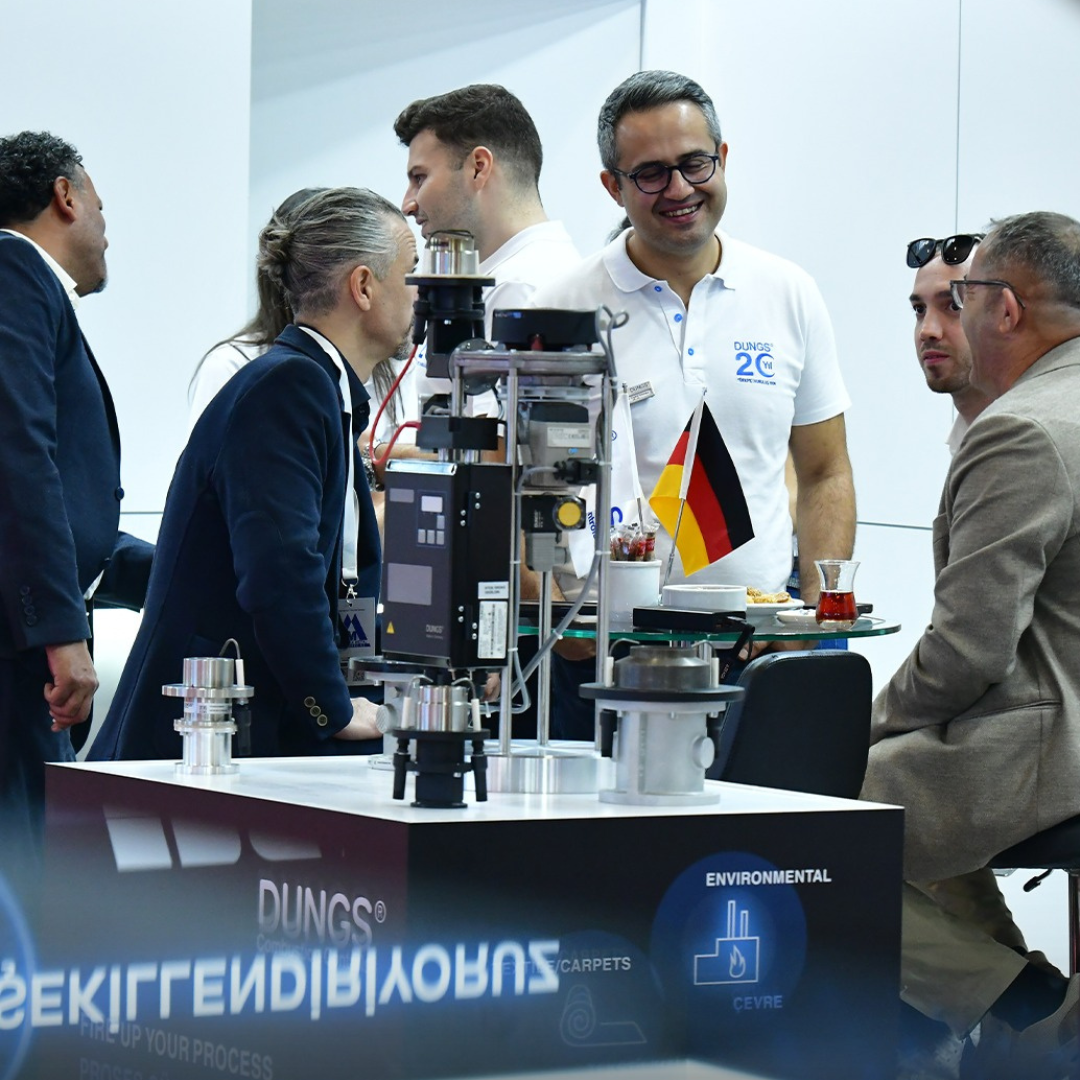
The most visible manufacturers of industrial 3D printing systems for foundry applications were Laempe, Kocel, Kangshuo as a representative of Chinese manufacturers, and on the other side ExOne. ExOne and voxeljet are no longer two separate companies. As of 13 August 2026, they are also legally merged into one — ExOne GmbH. Behind the merger stands US industrial investor Anzu Partners, which in 2025 brought both companies together under the ExOne Global Holdings holding.
Laempe stands out for integrating additive solutions for sand core and mould production with existing industrial processes.
Kocel places strong emphasis on large-format industrial printers, productivity, and connecting 3D printing with conventional foundry work.
Kangshuo caught my attention as the only supplier offering an integrated production solution — from high-productivity 3D printing and casting through to machining and quality control.
ExOne remains one of the established names in industrial sand mould and core printing, including the S-Max Pro system. At the fair, the emphasis stayed largely on that segment. Notably, printing of models for investment casting — a field voxeljet had developed with PMMA printing technology — was not prominently featured at the fair.
Comparison: Kangshuo vs. ExOne
Property
Kangshuo KSS2500A
ExOne S-Print Pro
Print heads
13
CoreBoost
Resolution
400 DPI
400 DPI
Droplet size
80–100 pl
Not publicly stated
Layer thickness
300–800 µm
100–1,000 µm
Productivity
300–700 l/h
Full job box in less than one shift
Sources: official technical data from manufacturers.
A visible trend at ANKIROS was the focus of Chinese manufacturers on the European market. Their domestic market is saturated; they see expansion into Europe as an opportunity, and Turkey is one entry point.
In conversations, the emphasis was on quality — not just capability. That is a relevant distinction: competitiveness in manufacturing is not measured by what a machine can do once — it is measured by reliable results over time.
That is where the key question for buyers begins: who ensures quality through the full production process and after the sale?
Some manufacturers use an open materials approach: the buyer gets machine specifications and sources materials independently. More choice, potentially lower cost — but choosing a compatible, reliable material is not straightforward, especially for a company new to additive production. Materials, system compatibility, and process parameters together determine quality, repeatability, and cost.
The same applies to technical support. What happens when production stops? Who diagnoses the problem? Who provides service and spare parts after the warranty ends?
A low initial investment is not necessarily the lowest long-term cost. Testing, downtime, and troubleshooting add up. Before signing, requirements for materials, training, process support, and servicing need to be defined — not just price and technical specifications.
“A low initial investment is not necessarily the lowest long-term cost. Downtime and troubleshooting add up.”
Where Chemets Fits In
At Chemets, we have followed the development of additive technologies since 2006. The company itself traces back to 1984, to a craft workshop for “Recycling of Al and casting of non-ferrous metals.”
Selecting and introducing industrial equipment ourselves taught us one thing: buying the machine is only the start.
We know different technologies, their advantages and constraints, and the challenges that arise when integrating them into actual foundry production. That is why we do not start with the question of which printer you need.
We start with a different question: What do you want to improve in your production?
Is the problem lead time? Tooling cost? A difficult geometry? A series too small for conventional process to make economic sense? Or do you want to find out whether investing in your own 3D printing technology is justified at all?
Based on the answer, we assess possible approaches, suitable technologies, and options for working with specialised partners. We are not limited to introducing additive technologies. We are interested in the wider improvement possibilities within your production process — from optimising existing procedures to introducing new technologies and smarter production organisation.
Take the First Step — No Commitment
For foundries, we offer a free initial assessment of one specific production challenge.
Send a brief description of the problem, a photo, a sketch, or basic process data. Based on the available information, we will identify possible directions for improvement and assess what additional data would need to be checked. Our first response is a direction and proposed next steps — not a savings promise without verified data.
You do not need to know which technology you need. Knowing the problem is enough. Get in touch with Chemets.
Chemets 3D & More — From Idea to Product.
Bespoke Business Gifts: What’s Possible When the Catalogue Falls Short
The blood drop that won: how one photograph became a pendant carrying a life story
How to order 3D printing without a 3D model: from a sketch or photograph to a finished part
A million euros for a new machine, and the old process stays the same: why equipment alone does not deliver competitive advantage