
Vacuum Casting (Vacuum Urethane Casting / Silicone Mold Casting)
Functional prototypes and small production series that visually and technically resemble injection-molded parts — without the immediate investment in injection tooling.
Vacuum casting is the ideal solution for testing material properties, form, fit, assembly, and real-world usage. It is suitable for small batches and as a temporary alternative to injection-molded parts.
When Do We Choose Vacuum Casting?
Vacuum casting (also known as silicone mold casting or polyurethane/urethane casting) is used when you need:
- Real product testing (fit test / assembly test)
- Repeatable parts for validation or small batches
- Presentation-quality parts for clients, investors, or trade fairs
- Pre-series / pilot production before investing in injection tooling
If another solution (e.g., 3D printing, CNC, or a different manufacturing method) is more suitable, we will tell you. Our goal is always the best solution for you — not what benefits us most.
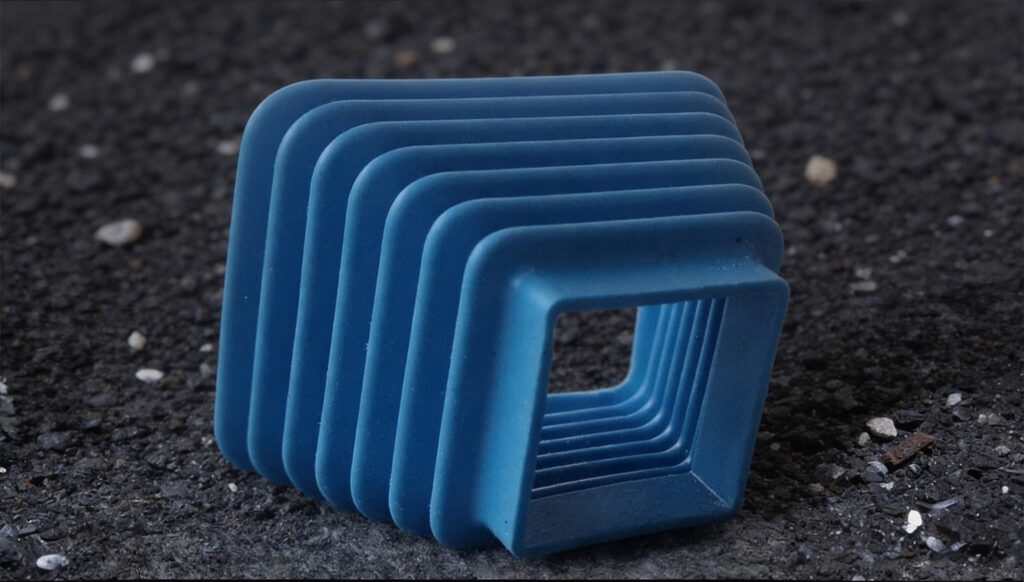
What Is Vacuum Casting?
Vacuum casting is a process in which material (most commonly PU resin) is poured into a silicone mold under vacuum conditions. The vacuum reduces air bubbles and improves detail reproduction.
The result: parts that are:
- Functional
- Visually convincing
- Highly repeatable
What Is the Vacuum Casting Process?
1) Define the Goal (and Critical Points)
What are you testing: tolerance, fit, materials, appearance, market response?
We define material, surface finish, color, and quantity.
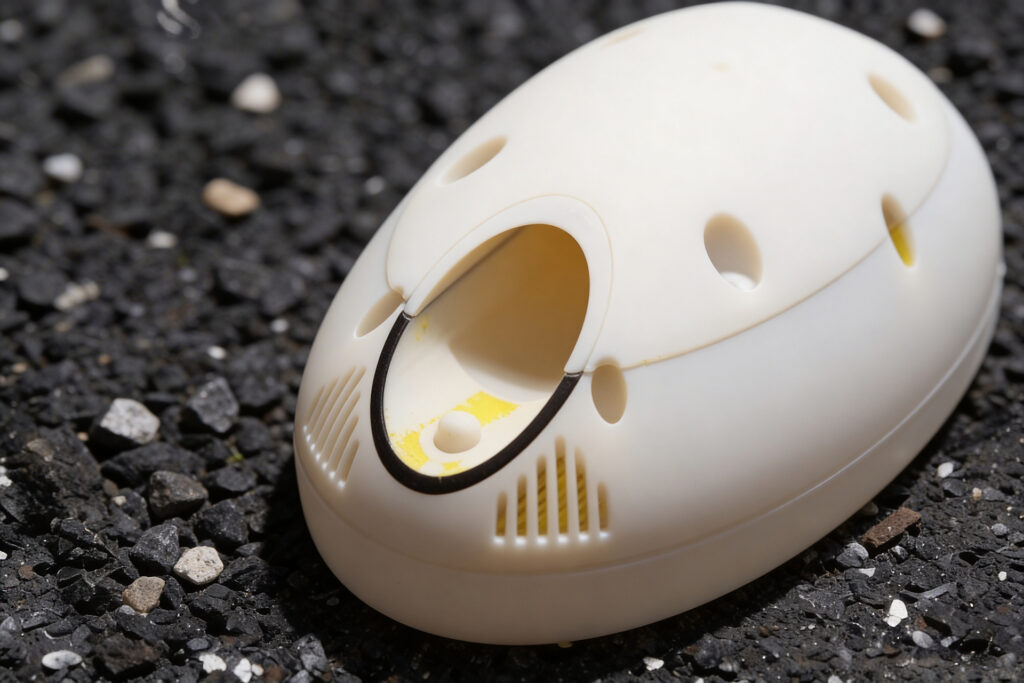
2) Master Model
The master defines geometry and surface finish.
It is embedded in silicone to create the mold. Whatever the master looks like, all cast parts will replicate — even fingerprints.
Therefore, master production is critical. It is typically 3D printed, but CNC machining may also be used depending on appearance and surface requirements.
3) Silicone Mold
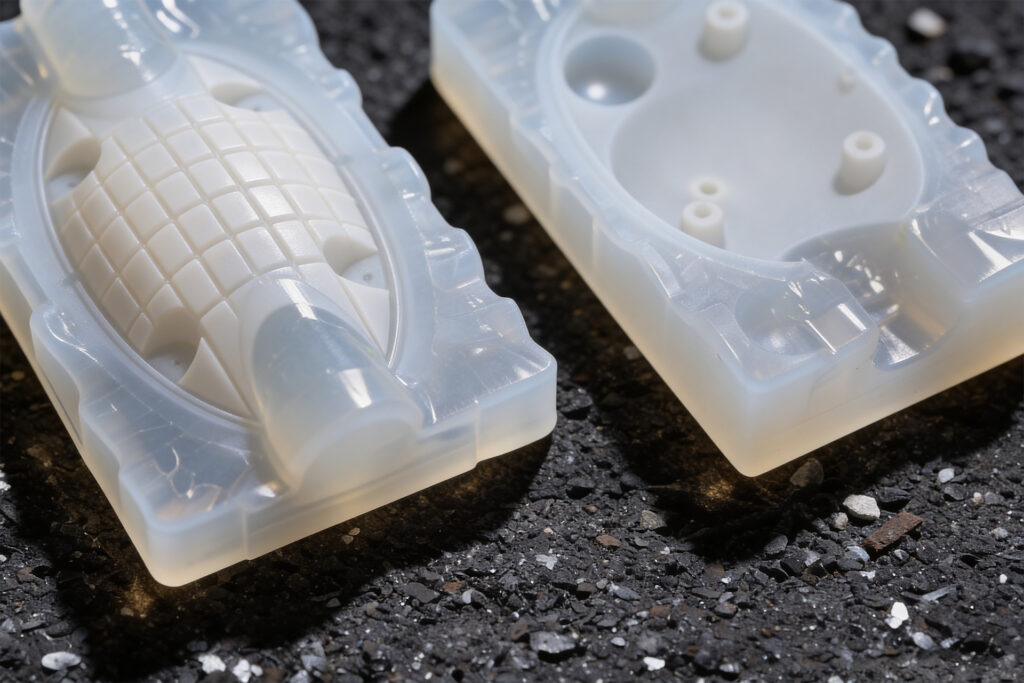
Based on the master model, we create a mold (single or multi-cavity).
Before mold production, we define parting lines, gating systems, and venting — all of which directly influence casting quality.
4) Vacuum Casting + Finishing
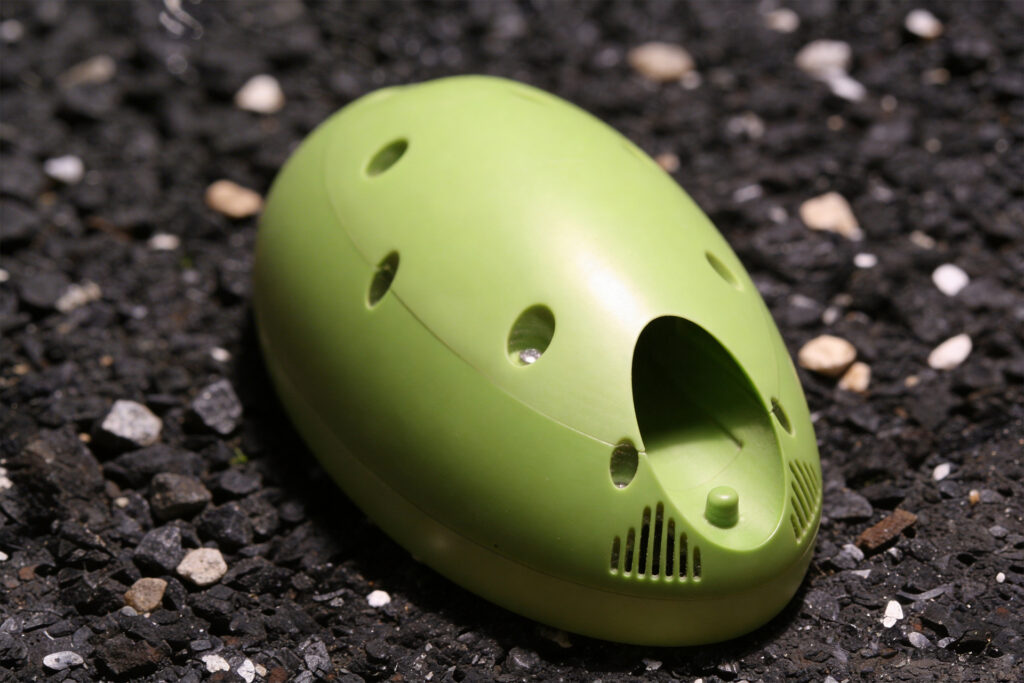
We perform casting, curing, demolding, gate removal, sanding, and additional finishing if needed (matte/gloss finish, painting, drilling, assembly preparation).
When Is Vacuum Casting the Right Choice?
Vacuum casting is typically the right solution when:
- You need 1–several hundred parts (depending on geometry and material)
- You want injection-molded appearance
- You want to reduce risk before investing in tooling
- You need small batches for user testing or internal validation
Advantages of Vacuum Casting
- Repeatability for realistic testing
- Wide material selection: temperature-resistant, flame-retardant, transparent, food-safe, elastic (“rubber-like”)
- Color testing (RAL), material variations, Shore hardness selection
- Undercuts are not a limitation
- High surface quality: sharp details, clean lines, customizable finish
- Fast path to serial production (pre-series / pilot batches)
- No high upfront tooling costs
Note: Silicone mold lifetime depends on geometry and material. Typically 20–30 castings per mold; for simple rubber parts, up to 100 castings. After mold wear, a new mold can be made or the process can transition to prototype injection tooling.
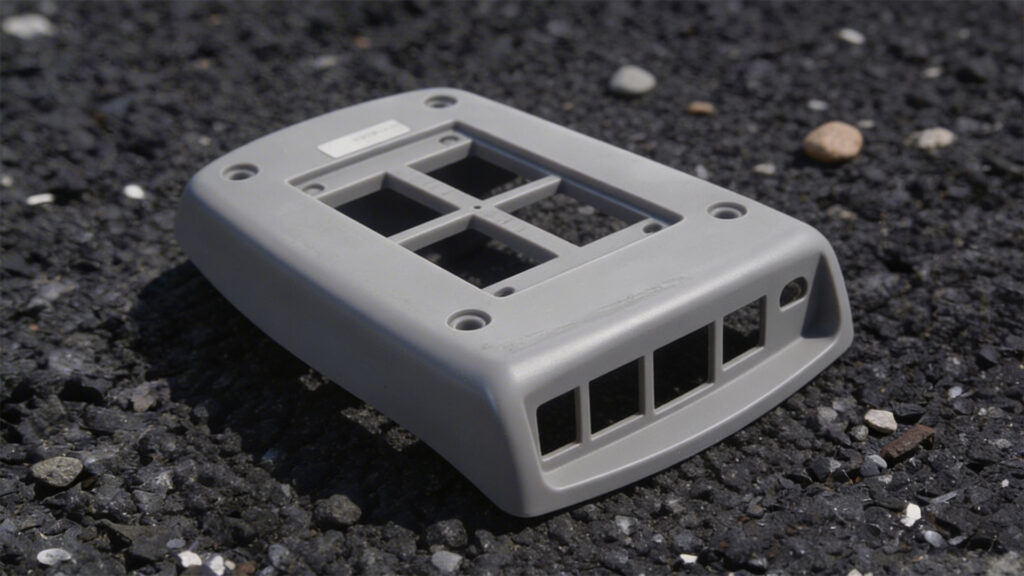
Vacuum Casting vs. 3D Printing vs. Injection Molding
Vacuum Casting vs. 3D Printing
3D printing is ideal for rapid geometry iteration or when the available material and finish are sufficient.
Vacuum casting is better when you need specific materials, colors, 2K solutions, rubber-like properties, or injection-molded appearance.
Vacuum Casting vs. Injection Molding
Injection molding is optimal for large production volumes but requires tooling (time + cost).
Vacuum casting is ideal when large quantities are not planned, or when you need pre-series validation before full investment.
Cost and Lead Time
Price and timeline depend on:
- Geometry complexity (undercuts, thin walls, multi-component parts, overmolding)
- Quantity
- Material (rigid / elastic)
- Surface finish and color requirements
- Tolerance-critical zones and assembly requirements
For a quick quote, send:
- 3D file (STEP / STL)
- Quantity (e.g., 10 / 30 / 80)
- Purpose (fit test / demo / pilot series)
- Material and surface preferences
- Desired deadline
Frequently Asked Questions (FAQ)
Most commonly for prototypes, pre-series, and small batches (typically 1–100 parts).
Usually around 20–30 parts, depending on geometry and material.
Yes — especially for assembly/fit testing, as you receive multiple identical parts for realistic validation.
Yes. Elastic materials are available depending on application requirements. Colors can be selected according to RAL.
Through vacuum conditions, proper venting, and strict process control (preparation, casting, curing time).
Ready for Vacuum Casting?
Send your 3D model and briefly describe your goal (test, demo, pilot).
We will propose the optimal material, approach, and fastest path to a usable result.